
Medical Tourism in Thailand 2026: The Complete Guide to Hospitals, Costs and What to Expect

Thailand has been quietly running one of the world's biggest medical tourism operations for more than two decades. Around 2.5 million international patients travel to Thai hospitals every year, and the country consistently ranks in the global top three medical destinations alongside Singapore and South Korea. The reasons are not mysterious: world-class facilities, doctors trained in the US, UK and Germany, prices that often run a third of what the same procedure costs in Europe, and a service culture that treats patients more like guests than case files.
This guide covers everything: how the international hospital system actually works, which hospitals foreigners use and why, what things really cost, and what to expect from your first email until your follow-up six months later.
Why Thailand Became a Medical Destination
It started after the 1997 financial crisis, when Thai private hospitals had empty beds and started recruiting international patients. Bumrungrad in Bangkok was the first to commit fully. Three things kept it growing.
👨⚕️ The Doctors
You are not getting a B-list version of a Western doctor. You are often getting the same person, in a newer building, for less money.
💵 The Price
Same room category, same equipment. Hip, IVF, dental and cosmetic procedures follow similar ratios.
🛎️ The Experience
None of it is decoration. It is the reason patients come back, and bring relatives.
🏆 The Accreditation
Thailand was an early adopter and still has one of the highest concentrations of JCI hospitals in Asia.
How the International Hospital System Works
It is not how hospitals work at home. There is no waiting list, no insurance company in the middle, and no surprise bill at the end. Here is the actual sequence.
You contact the international office
By email or WhatsApp, you reach the hospital's International Medical Services (sometimes called IPC). You send a short medical history, recent test results, and any imaging on a CD or download link.
They send a written quotation
Within 1 to 3 days, the office routes your case to the right specialist, gets a clinical opinion, and sends back a written quote listing the procedure, the surgeon, expected length of stay, and the price in baht and US dollars.
You book and fly
You book your own flight and hotel (or stay in the hospital's serviced apartments, most of the big ones have them). The international office handles airport pickup, paperwork, and translation from there.
Treatment within the week
If your case is straightforward and your funds are clear, you can usually have surgery within a week of landing. Some hospitals will see you the same day you arrive.
You pay at the cashier
In baht, USD, Euro, by international card or bank transfer. No insurance company in the middle unless you bring one. The final bill is itemised, and you pay only the deposit at admission.
Always ask for the worst-case price up front. A good international office will tell you what the price becomes if you need an extra day in ICU or a second procedure. Get it in writing before you fly.
What It Actually Costs
Numbers below are typical 2026 ranges at the top international hospitals in Bangkok, in US dollars, including the room, surgeon, anaesthetist and standard implants. Always get a written quote for your specific case.
| Procedure | Bangkok | USA | Europe |
|---|---|---|---|
| Executive health checkup (1 day) | 400 - 1,500 | 2,500 - 5,000 | 1,500 - 3,500 |
| Cardiac bypass (CABG) | 15,000 - 25,000 | 80,000 - 130,000 | 35,000 - 70,000 |
| Coronary angioplasty + stent | 5,500 - 12,000 | 30,000 - 60,000 | 12,000 - 25,000 |
| Hip replacement | 13,000 - 20,000 | 40,000 - 65,000 | 18,000 - 35,000 |
| Knee replacement | 12,000 - 18,000 | 35,000 - 60,000 | 17,000 - 32,000 |
| Spinal fusion (1 level) | 14,000 - 22,000 | 60,000 - 100,000 | 25,000 - 45,000 |
| IVF cycle (no medication) | 4,500 - 9,000 | 15,000 - 25,000 | 6,000 - 12,000 |
| Dental implant + crown | 1,300 - 2,400 | 3,500 - 6,000 | 2,500 - 4,500 |
| Full mouth restoration | 12,000 - 30,000 | 45,000 - 90,000 | 25,000 - 55,000 |
| Rhinoplasty | 2,800 - 5,500 | 8,000 - 15,000 | 5,000 - 10,000 |
| Breast augmentation | 3,500 - 6,500 | 7,000 - 12,000 | 5,500 - 9,000 |
| LASIK (both eyes) | 1,500 - 2,800 | 4,000 - 6,000 | 2,500 - 4,500 |
| Bariatric (gastric sleeve) | 9,500 - 14,000 | 18,000 - 30,000 | 12,000 - 20,000 |
- These are ranges, not quotes. Your real number depends on case complexity, room category, and the implant brand you choose. All prices in USD.
- The all-in cost (flight, hotel, food, two weeks of recovery in Bangkok) is almost always still less than the procedure alone at home, often by a wide margin. Travel does not eat the savings.
The Hospitals International Patients Actually Use
There are hundreds of hospitals in Thailand. International patients use a small number. These are the ones worth knowing.
🥇 Bumrungrad International
📍 Bangkok, Sukhumvit Soi 3The most famous private hospital in Asia and Thailand's first JCI-accredited hospital. If you only know one Thai hospital, you know this one.
🥈 Bangkok Hospital (BDMS)
📍 Bangkok, Soi SoonvijaiA small medical city: heart hospital, cancer hospital, orthopedic hospital, women's hospital, and an international medical center, all on one campus.
👨👩👧 Samitivej Sukhumvit
📍 Bangkok, Sukhumvit 49A favorite with international families. Modern campus, JCI accredited, large international patient volume.
🌟 BNH Hospital
📍 Bangkok, SilomSmaller than the giants, with a quieter boutique feel that some patients prefer over the big international wings.
🆕 MedPark Hospital
📍 Bangkok, Rama 4Built from the ground up as an international medical destination. The current pick if you want the newest building and the latest tech.
🌙 Phyathai 2 International
📍 Bangkok, Phaya ThaiVery popular with patients from the Middle East. Has built a loyal international patient base on price-quality ratio.
🦴 Vejthani Hospital
📍 Bangkok, Bang KapiKnown across Asia and the Middle East as one of the top centers for orthopedic surgery. If you are coming for joint replacement, put this on your shortlist.
🎓 Siriraj Piyamaharajkarun (SiPH)
📍 Bangkok, Wang LangGives international patients access to Siriraj's academic depth in a private hospital setting. The choice for complex cases.
Outside Bangkok
🏝️ Bangkok Hospital Phuket
📍 Phuket TownThe main international hospital on the island. JCI accredited, the place tourists go if anything goes wrong on holiday. Strong for emergency, orthopedic and general medicine.
🌴 Bangkok Hospital Pattaya
📍 PattayaThe main international hospital for Pattaya and the eastern seaboard. Same network as Bangkok Hospital BDMS, similar service standard.
⛰️ Chiangmai Ram Hospital
📍 Chiang MaiMain private international hospital in northern Thailand. Popular with long-term residents and visitors in Chiang Mai.


Specialties Thailand Is Known For
Thailand is strong across the board, but a few areas are world-class.
Cardiac
Bangkok Heart Hospital (BDMS), the Bumrungrad Heart Institute, MedPark and SiPH between them perform thousands of bypass and valve procedures every year. Survival statistics published by the major centers are in line with the best US and European hospitals. From 5,500 USD angioplasty
Orthopedic
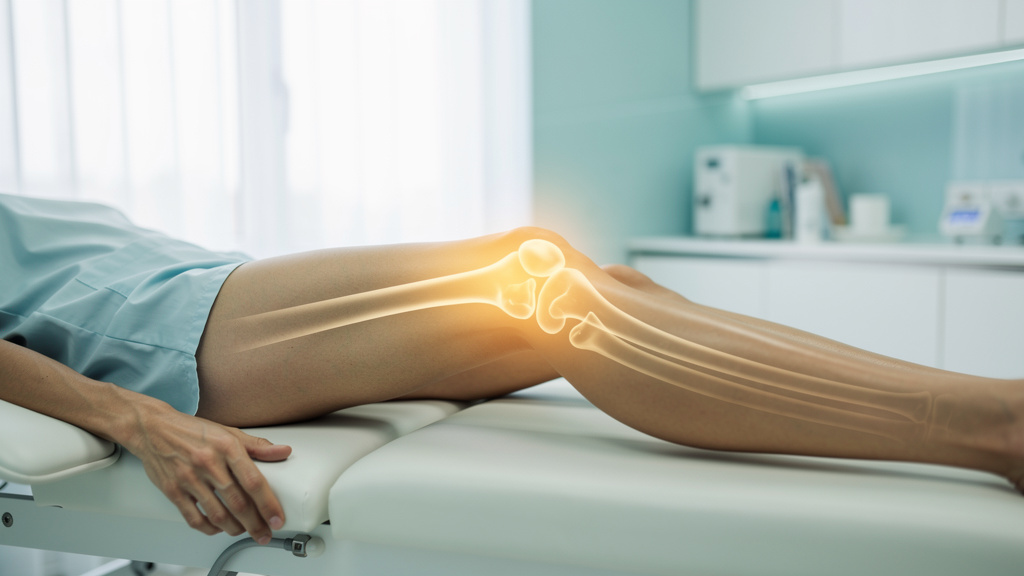
Joint replacement is one of Thailand's signature specialties. Vejthani, Bumrungrad and Bangkok Hospital all run high-volume hip and knee programs. Common pattern: fly in, get the implant, recover for two weeks, fly home walking. From 12,000 USD knee
Cosmetic and Plastic Surgery
Bangkok is one of the world's biggest centers for cosmetic surgery, from rhinoplasty to body contouring and breast surgery. Choose a JCI-accredited hospital, not a back-street clinic, and the safety record is excellent. From 2,800 USD rhinoplasty
Dental
Full-mouth restorations, implants, veneers and complex reconstruction for less than half the European price. BIDC, Bangkok Smile, Bangkok International Dental Center and the dental departments at Bumrungrad and BNH are the usual choices. From 1,300 USD per implant
Fertility and IVF
Thailand has a large, mature fertility industry with high success rates. Note: commercial surrogacy for foreign couples has been illegal in Thailand since 2015. IVF for the patient herself is straightforward and widely offered. From 4,500 USD per cycle
Cancer
Bumrungrad Horizon Cancer Center, BDMS Wattanosoth Cancer Hospital and the MedPark Cancer Center cover almost every modern modality, including proton therapy in some cases. Many international patients send their reports for a Thai second opinion before deciding where to be treated.
Wellness and Recovery
Thailand is the regional capital of medical wellness. Detox programs, post-surgery rehabilitation, integrative medicine and longevity centers are widely available, often combined with a stay on the islands or in Chiang Mai.
Executive Health Checkups
A full one-day checkup with cardiology, endocrinology, blood work, imaging, ultrasound and a doctor consultation costs less than a single specialist visit in many Western countries. One of the most popular reasons people fly to Bangkok in the first place. From 400 USD

Visa, Length of Stay and Bringing Family
Most visitors can enter Thailand visa-free for up to 60 days. For longer treatments, a dedicated Medical Treatment visa exists.
✈️ Visa Exemption
No paperwork in advance. Just arrive with a return ticket and a passport with 6 months validity.
🏥 Medical Treatment Visa (O-MT)
Most major hospitals will issue a recommendation letter to support the visa application. Apply at the Thai embassy in your country.
The big international hospitals have rooms designed so one companion can stay overnight. Larger families usually stay at the attached serviced apartments or a nearby hotel. Bumrungrad, Bangkok Hospital and Samitivej all have hotel partners within a 5-minute walk of the lobby.
Language, Food and Cultural Comfort
This is one of the quiet reasons Bangkok wins so many international patients.
🗣️ Language
English everywhere, from the security guard at the gate to the discharge paperwork. Arabic interpreters are standard at Bumrungrad, Bangkok Hospital, Phyathai 2, Samitivej and BNH, and on call at most others. Ask for one when you book.
🍽️ Halal Food
Bumrungrad runs a fully halal kitchen. Bangkok Hospital, Samitivej and Phyathai 2 offer halal menus on the in-room ordering tablet. Sukhumvit Soi 3 (sometimes called Soi Arab) and Nana have one of the largest halal restaurant clusters in Southeast Asia, walkable from Bumrungrad.
🕌 Prayer
Multifaith prayer rooms are standard at the major hospitals. The Sukhumvit Soi 3 area has several mosques within a short walk of Bumrungrad and Bangkok Hospital.
🏨 Privacy
Single rooms are the norm in private hospitals, not the exception. VIP and Royal Suite categories give a separate sitting area, private dining and round-the-clock nursing for a few hundred dollars a night, not a few thousand.
Insurance, Payment and Getting an Estimate
Most international patients pay out of pocket. International insurance is accepted at the top hospitals, but the estimate process is the most important step.
Send a one-page medical summary
Email the international office with a short medical history, your most recent blood work, and any imaging. Include the year of your most recent test for context.
Ask for a written quotation
In your name, signed by the international office. The quote should list the procedure, the lead surgeon, expected length of stay, the room category used in the estimate, and the total price.
Confirm what is included
Implants are usually included. Take-home medication is sometimes not. Follow-up consultations are usually included for the first week. Always ask.
Ask for the worst case
What does the price become if you need an extra day in ICU or a second procedure? A good office will tell you. Do this before you fly, not after.
- Cigna Global, Bupa Global, Allianz Care
- AXA Global Healthcare, GeoBlue, IMG, William Russell
- Always confirm direct billing in writing with your insurer before flying
How to Prepare Before You Fly
A simple checklist that covers most cases.
- Get a written quotation from the international office, not a phone estimate
- Bring all your imaging (CDs, USB sticks or download links)
- Bring originals of recent blood work and a typed medical history in English
- Bring a list of every medication you take, with the generic names, not just the brand names
- Bring two pairs of comfortable, loose clothes you can put on easily after surgery
- Bring a companion. It is allowed, expected, and will make your stay much easier
- Buy travel insurance separately. It does not cover the planned procedure but covers everything else
- Tell the hospital your arrival flight number. They will meet you at the airport
What to Expect on Arrival
A typical day-by-day timeline for an international patient.
Day 1: Arrival
Pickup at the airport in a hospital car, check in to your hotel or hospital apartment, rest. The international office will usually call to confirm your appointment for the next day.
Day 2: Pre-surgery consultation
You meet your surgeon and your anaesthetist, sign consents, and do any final blood work and imaging that was not done at home. You will walk out with a clear plan and a clear cost.
Day 3 onwards: Procedure and recovery
The procedure, then recovery in your room, then daily rounds from your surgeon. The nursing ratio in Thai private hospitals is high, in some hospitals 1 nurse per 2 or 3 patients. Buzzers get answered in minutes.
Discharge day
A written discharge summary in English, the medication you take home, a follow-up appointment, and contact details for the international office in case you have a question after you leave.
1 to 3 weeks: Recovery in Bangkok
Most patients stay in Bangkok for 1 to 3 weeks of recovery before flying home. Hotels around the major hospitals are used to medical guests. Many offer wheelchair access, post-surgery menus and shuttle service.
After-Care When You Get Home
The international offices stay in contact for as long as you need them.
If something does not look right at home, you can send a photo or a question by email or WhatsApp and get an answer from the team that treated you, often the same day. For long-term cases (cancer, transplant, fertility), this continuity is one of the quiet strengths of the Thai system.
If you need a procedure repeated or adjusted (this happens with dental and cosmetic work in particular), the original hospital will usually offer a discounted rate for the return visit because they already have your file.
Common Questions
Are Thai hospitals at the same level as US or European hospitals?
The top ones, yes. JCI accreditation is the same standard used by Cleveland Clinic and Johns Hopkins. Many Thai consultants did their training and fellowships abroad. The buildings are newer than most Western hospitals. The difference is price and waiting time, not clinical quality.
Is it safe?
At a JCI-accredited international hospital, the safety record is excellent. Complication rates published by the top centers are in line with Western benchmarks. The risk profile changes if you go to a small, non-accredited cosmetic clinic. Stay with the named hospitals in this guide.
How long should I stay in Thailand for surgery?
Rule of thumb: the procedure plus 2 weeks. A hip replacement is typically 4-5 days in hospital plus 10-14 days of recovery in Bangkok. A dental implant case may only need 7-10 days total. Your surgeon will give you a clear answer with your written quote.
Can I bring family?
Yes, and you should. The room layouts and the visa system both assume you will travel with at least one family member. Larger families are common and the hospitals are set up for it.
What happens if something goes wrong?
JCI-accredited hospitals carry malpractice insurance and have a clear complaints procedure run by the international office, separate from the doctors. The bigger risk is choosing a hospital you have not vetted, so stick to the names in this guide.
Do I have to pay everything up front?
No. Standard pattern is a deposit at admission (covering the estimate plus a buffer), with the final balance settled at discharge against an itemised bill. Pay the deposit by international card.
Can I combine treatment with a holiday?
Yes, and many patients do. Common pattern: a one-day full health checkup in Bangkok followed by a week on the islands. For surgeries, the holiday goes after recovery, not before.
What about insurance from my home country?
International policies (Cigna, Bupa, Allianz, AXA, GeoBlue) often have direct billing with the top Thai hospitals. Domestic policies usually do not. Check with your insurer in writing before you fly.
Start Your Medical Inquiry
The first practical step is the same in every case: get a written estimate from one of the international hospitals above, for your specific case, before you book anything.
Send us your case through our medical inquiry form and we will route it to the right hospital's international office, follow up until you have a written quotation in your hands, and stay with you all the way to discharge. There is no fee and no obligation.
FAQ: Medical Tourism in Thailand
Why do people choose Thailand for medical treatment?
Thailand combines internationally accredited hospitals, experienced doctors, modern facilities, and costs far lower than in the West, with little or no waiting time. Many hospitals also have Arabic interpreters.
Are Thai hospitals safe and accredited?
Yes. Leading hospitals like Bumrungrad and Bangkok Hospital hold international JCI accreditation and treat large numbers of international patients every year, with English and Arabic-speaking staff.
How much can I save on treatment in Thailand?
Many procedures cost 50 to 70 percent less than in the United States or Europe, even at top private hospitals. The exact saving depends on the procedure, so request a written quotation first.
Do Thai hospitals have Arabic-speaking staff?
Major private hospitals have dedicated international departments with Arabic interpreters and help with appointments, accommodation, and airport transfers for Gulf patients.
What treatments are popular with medical tourists?
Common ones include health check-ups, cardiology, orthopedics, fertility, dental work, cosmetic procedures, and wellness programs. Thailand is well known for both surgical and elective care.
How do I arrange a medical trip to Thailand?
Start by sending your medical reports for a quotation, then plan dates, visa, and accommodation. HalaThai can connect you with the right hospital, in Arabic, with no fee and no obligation.